brooks wine
Brooks Wine is built on a passion for farming and building relationships, both in their community and in their ecosystem. They are proudly family-owned, women-led, and committed reducing their impact on the land by caring for it. In addition to incorporating diverse flowering cover crops between their vines, they have two-acres of gardens intentionally designed to provide consistent forage across the season for bees and other pollinators.
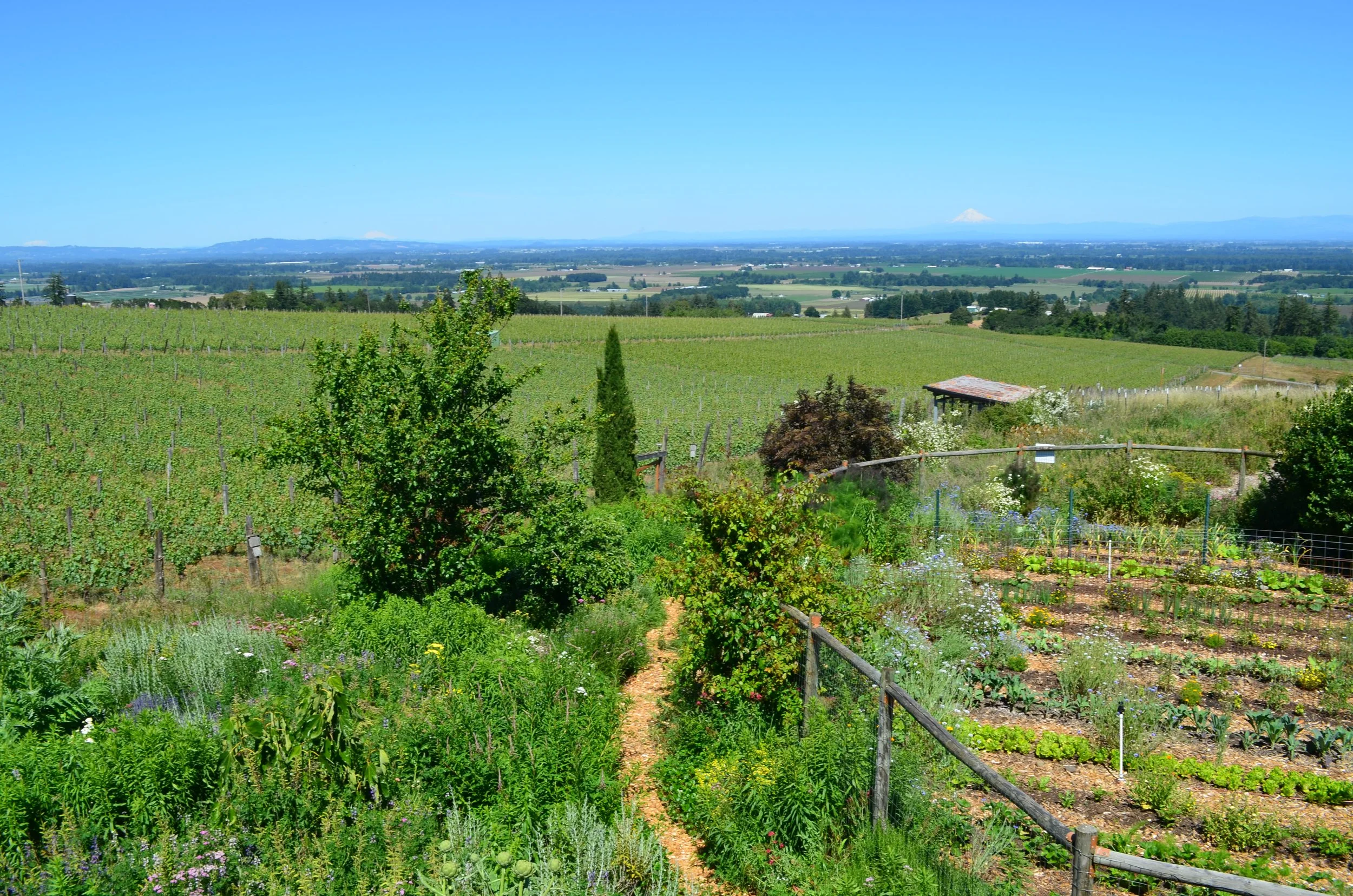
The vineyard, rain garden, and market garden at Brooks Wine.
Crops
Wine grapes with fruit, vegetables, herbs, and flowers grown for the tasting room
Farmers Markets/Retailers
Visit the Amity tasting room, order online, or find them at various local grocery stores and wine shops
Location
Amity, Oregon
Established in
1998
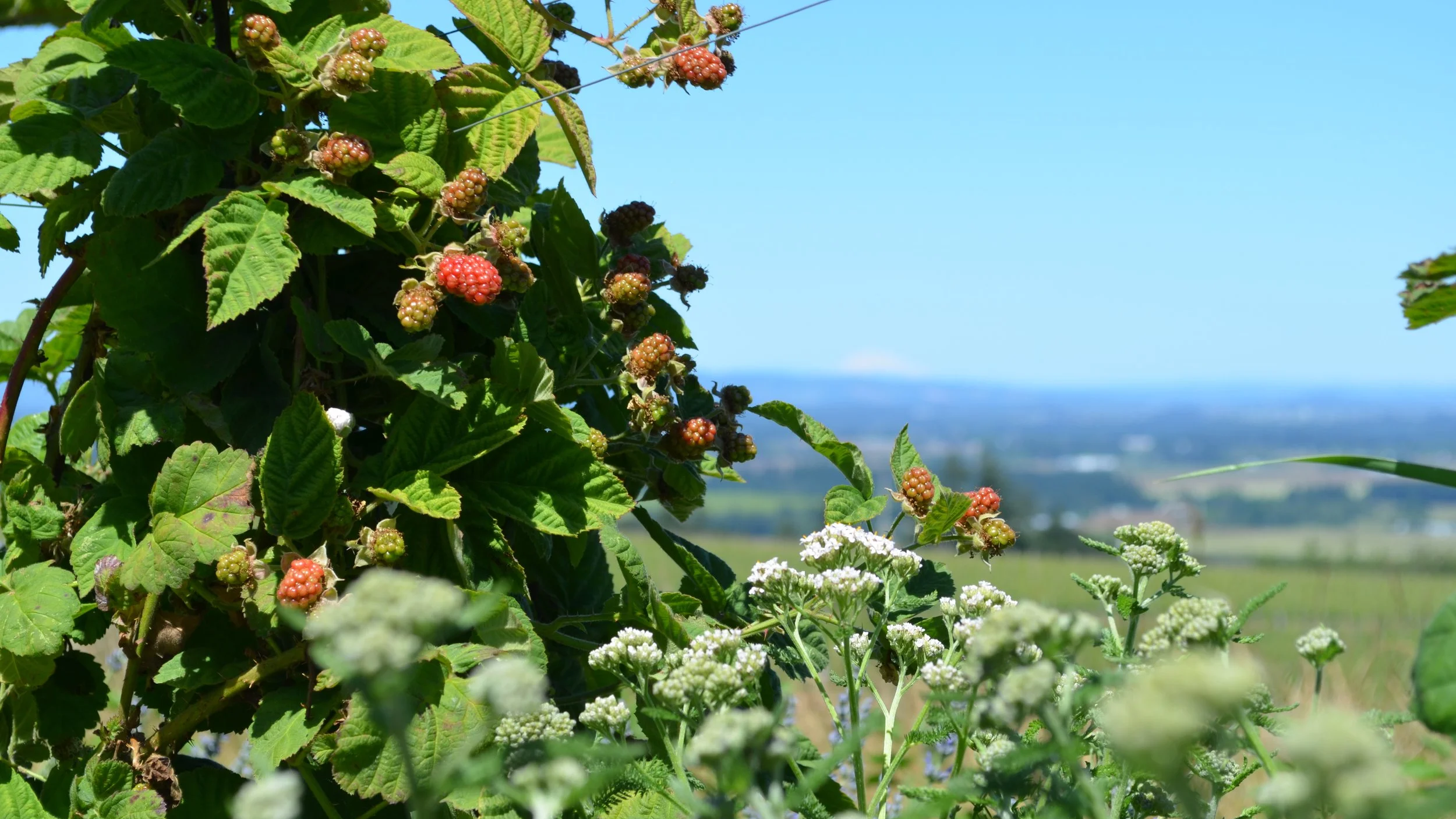
Plants for pollinators are intermixed with edibles, medicinals, and herbs.
What are they doing for bees?
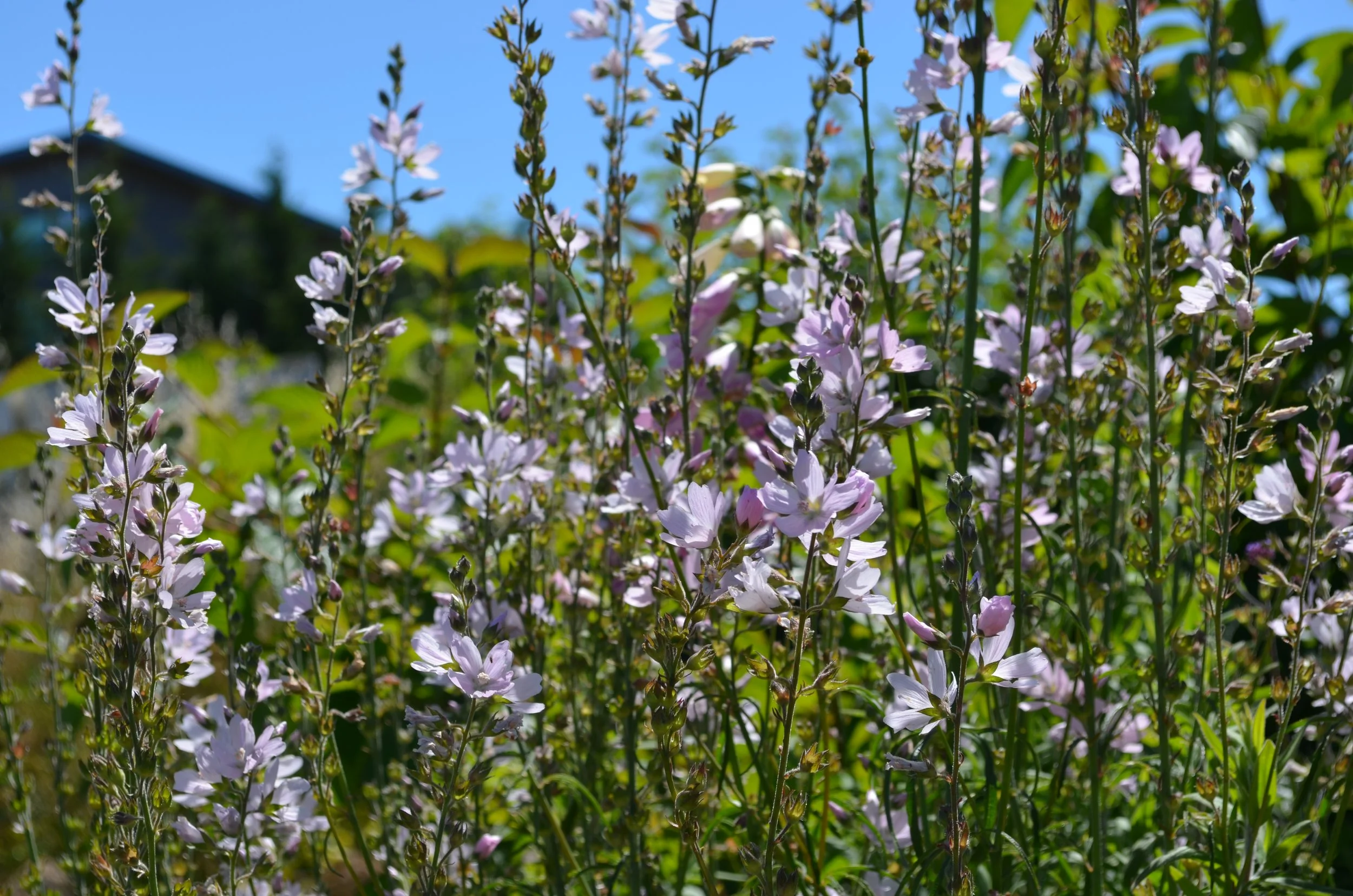
12 different gardens await any lucky pollinator that happens to find their way to Brooks Wine. The opportunities to forage come in various forms— from flowering cover crops, to hedgerows, rain gardens, woodlands, and meadows— each intentionally designed to have one or more species flowering from the early spring through the fall. They even have a dedicated moth garden, to offer nectar for the often-over-looked night-flying pollinators. They emphasize native plant species and growing their plant diversity to offer resources to all the insects and wildlife that call Brooks home.
They follow a Biodynamic farming philosophy, focusing on building habitat and ecosystem health to help eliminate the need for chemical interventions. The benefits they bring to bees are also expanding outside of the estate with their new seed starter program. They are collecting seed from their diverse pollinator plants to propagate and distribute with their community members.
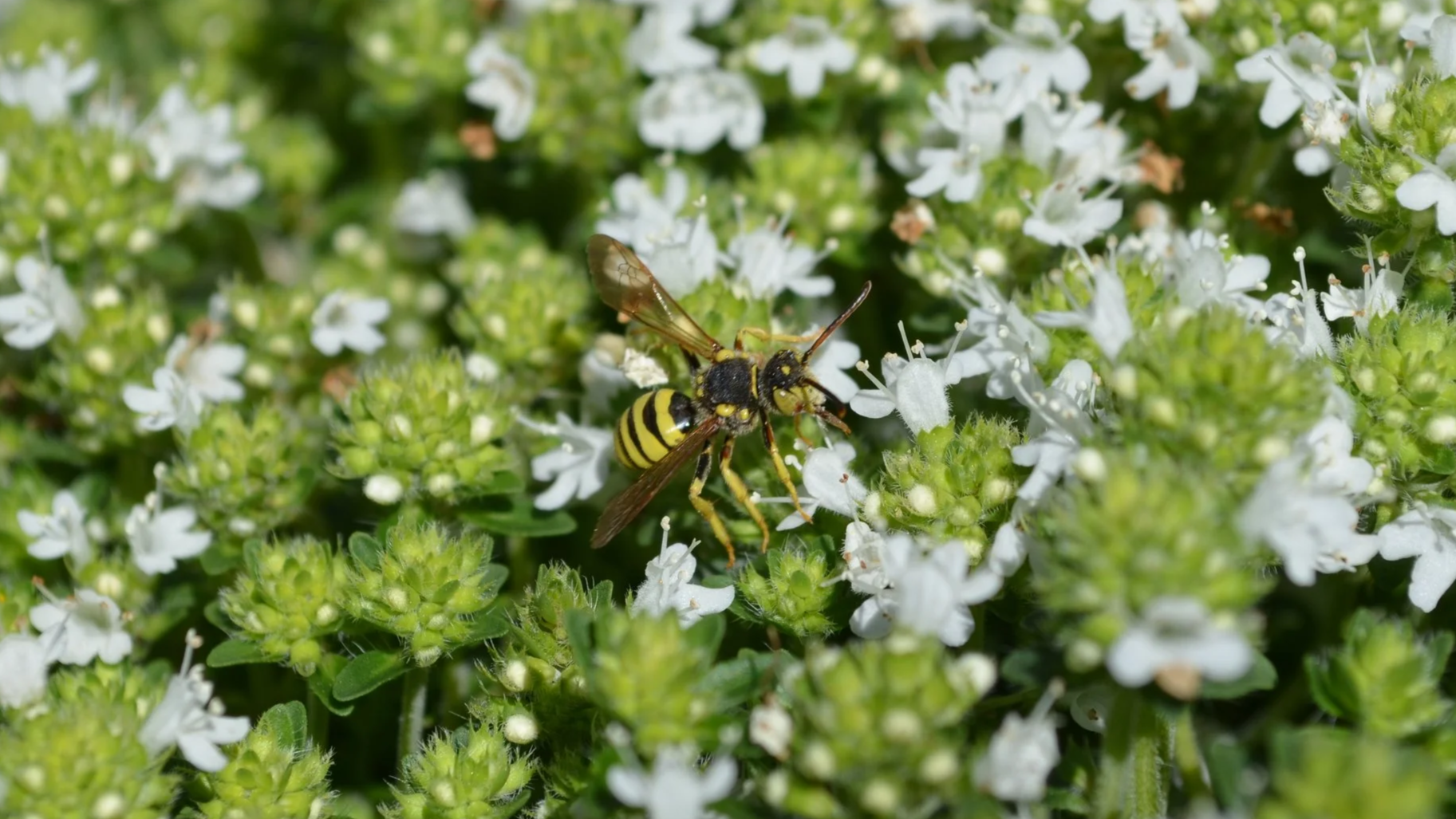
A nomad bee (Nomada) forages from a flowering ground cover.
Meet the Bee Stewards
Shannon Mayhew, the Estate Sustainability Director, is the inspiring force behind Brooks’ ever-growing landscape projects. She draws on her plant science background, vision, and muscle to cultivate vibrant gardens that feed the bees, chickens, people, and other organisms that come through the estate. She also manages the broader ecosystem at Brooks, maintaining sustainability certifications, and writing grants. She regularly leads tours and workshops to share her expertise and to encourage ecological stewardship in others.